Boston’s next major waterfront transformation is unfolding in Fort Point - directly along the Fort Point Channel and steps from the Seaport District.
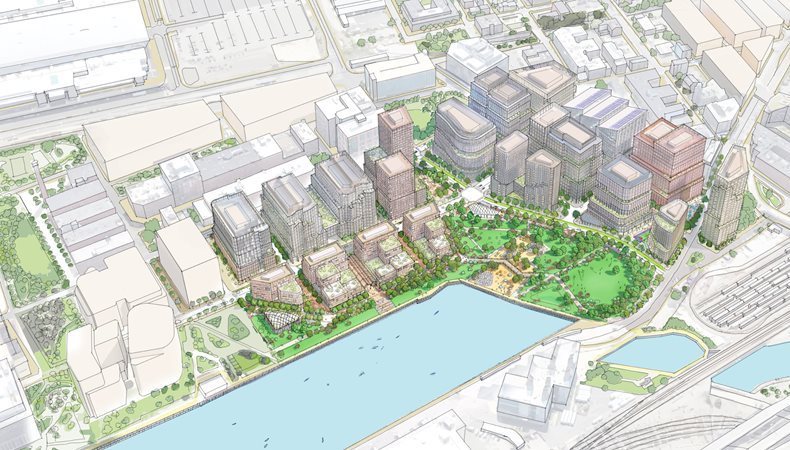
The Gillette Redevelopment Project represents one of the largest mixed-use redevelopment efforts in Boston in decades. Spanning approximately 31 acres along the waterfront, the former Gillette manufacturing campus is being reimagined into a master-planned district that will introduce residential buildings, office and research space, hospitality, retail, and a significant new waterfront park.
For Seaport buyers and real estate investors, this project is not simply another development. It is a strategic expansion of the Seaport’s urban footprint into Fort Point - with long-term implications for property values, housing supply, and waterfront living in Boston.
This guide serves as the central overview of the project. As approvals advance and construction begins, we will link detailed updates and analysis from this page.
Where Is the Gillette Redevelopment Located?
The Gillette site is located along the Fort Point Channel in the Fort Point neighborhood - immediately adjacent to the Seaport District and minutes from Downtown Boston.
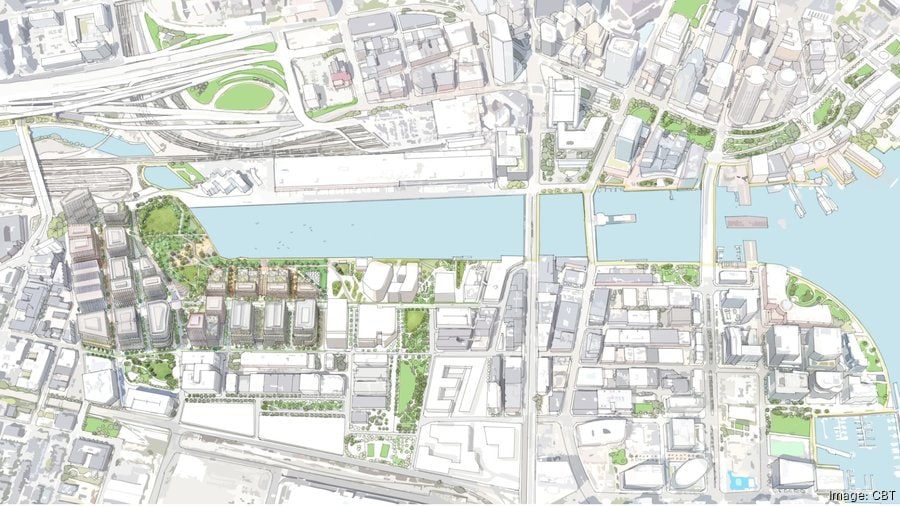
While technically within South Boston’s broader geography, the project’s orientation, design intent, and connectivity align far more closely with Fort Point and the Seaport than with traditional South Boston residential areas.
Its waterfront frontage, proximity to the Seaport’s luxury condominium inventory, and walkability to high-end dining and corporate offices position it as a natural extension of Boston’s most modern neighborhood.
For neighborhood context:
Fort Point and Seaport Overview
South Boston Neighborhood Guide
What Is the Gillette Redevelopment Project?
The Gillette Redevelopment is a Planned Development Area (PDA) currently under review by the Boston Planning & Development Agency (BPDA). The proposal transforms the historic Gillette South Boston Manufacturing Center into a large-scale, phased mixed-use district.
The master plan calls for a cohesive waterfront neighborhood integrating:
- Residential housing
- Office and research space
- Retail and restaurant space
- Hospitality components
- Public waterfront parkland
Importantly, Procter & Gamble plans to maintain a corporate presence on the site while modernizing the campus and unlocking public waterfront access.
This is not an isolated tower development. It is a full district-scale redevelopment that will unfold over multiple phases spanning multiple years.
Residential Development in Fort Point: Expanding Waterfront Living Near the Seaport
The current master plan outlines approximately 1,800 residential units across multiple buildings. Units will be a mix of luxury apartments and luxury condos, with select affordable housing.
For buyers focused on Seaport real estate, this matters for several reasons:
- It introduces new inventory within walking distance of the Seaport’s luxury condominium buildings.
- It expands waterfront residential options beyond the current Seaport core.
- It increases long-term neighborhood vitality by adding full-time residents to the Fort Point Channel area.
Given Boston’s supply constraints - particularly in high-end waterfront neighborhoods - this scale of housing could significantly shape the next decade of residential pricing dynamics in Fort Point and the Seaport.
Office and Innovation Space: Strengthening the Fort Point Employment Hub
The redevelopment plan includes approximately 3.5 million square feet of office and research space.
Fort Point and the Seaport have become major employment centers for technology, life sciences, private equity, and corporate headquarters. Adding millions of square feet of commercial space reinforces the area’s position as a long-term employment hub.
For investors, employment density directly supports:
- Luxury condominium absorption
- High-end rental demand
- Retail viability
- Price stability during market cycles
The integration of office, residential, and public space mirrors the mixed-use formula that fueled the Seaport’s growth over the past decade.
Waterfront Park and Public Realm: A 6.5-Acre Expansion of the Harborwalk
One of the most impactful components of the Gillette Redevelopment is the proposed 6.5-acre waterfront park along the Fort Point Channel.
This park would:
- Expand public Harborwalk access
- Create new open space along the channel
- Improve pedestrian connectivity between Fort Point and the Seaport
- Activate the waterfront with community-oriented design
Waterfront parks consistently influence nearby residential values in Boston. The addition of substantial public space in Fort Point further enhances the area’s appeal to high-end buyers seeking walkability and water views.
Why the Gillette Redevelopment Matters for Seaport Buyers and Investors
The Seaport District has matured into Boston’s premier luxury condominium and innovation corridor. The Gillette site represents its next logical expansion.
Below are our top three reasons why this project is strategically important:
1. Long-Term Waterfront Expansion
Rather than increasing density within the Seaport core alone, the Gillette Redevelopment extends the district’s modern architectural language and mixed-use planning into Fort Point.
This reduces supply pressure within the most established Seaport blocks while creating new, high-quality inventory nearby.
2. Pricing Ripple Effects
Large-scale master-planned redevelopments often create ripple effects across adjacent neighborhoods.
As Fort Point modernizes and integrates more residential units, we may see:
- Increased valuation benchmarks
- Stronger resale performance in nearby luxury buildings
- Greater buyer demand for waterfront proximity
3. Infrastructure and Connectivity Improvements
Transportation and pedestrian improvements associated with the project will improve connectivity between Fort Point, the Seaport, and Downtown Boston.
Infrastructure investment is often an early indicator of long-term appreciation potential.
Planning Status and Timeline
The Gillette Redevelopment is advancing through BPDA review, including community engagement sessions, transportation studies, environmental review, and phased planning approvals.
Because this is a multi-building, long-term redevelopment, construction will occur in stages over several years.
As new filings, renderings, approvals, and construction milestones are released, we will provide:
- Detailed construction updates
- Market impact breakdowns
- Investment timing analysis
- Residential development deep dives
This page will remain the central hub for those updates.
Final Thoughts: Fort Point as the Seaport’s Next Chapter
The Gillette Redevelopment Project represents a defining expansion of Boston’s waterfront living environment.
For Seaport buyers, it signals additional inventory and long-term neighborhood enhancement.
For investors, it represents density, infrastructure investment, and continued institutional confidence in the Fort Point Channel corridor.
As this redevelopment progresses from planning to construction, Elevated Boston will continue providing in-depth analysis and updates.
This is the beginning of Fort Point’s next evolution.
Contact ELEVATED today to join our exclusive update list and be the first to know news about the Gillette Redevelopment project.